The Essential Guide For First-Time Home Buyers

Buying your first home is an exciting milestone. It’s also a complex process that can feel overwhelming, especially if you're not sure where to start. But here's the thing: with the right knowledge and preparation, you can navigate the home-buying journey with confidence and without all that anxiety. In this essential guide, we'll break down the key steps you need to take - from assessing your financial readiness to closing the deal on your dream home. You'll learn how to get pre-approved for a mortgage, choose the perfect location, and work with a buyer's agent who has your best interests at heart. By the end, you'll have a clear roadmap for making your homeownership dreams a reality. So, are you ready to take control of your home-buying experience?Let's Dive In
Assessing Your Financial Readiness
Before diving into the world of house hunting, it's crucial to take a hard look at your financial situation. This means getting real about your income, expenses, and savings. First start by creating a detailed budget that accounts for every dollar coming in and going out each month. Be honest with yourself about these spending habits, especially when it comes to the areas where you can cut back to boost your savings.Next, check your credit score. Your credit score is like your financial report card, and lenders will use it to determine your creditworthiness. A higher score can mean better interest rates and loan terms. If your score is on the lower side, don't panic - there are steps you can take to improve it, like paying down debt and making payments on time.Once you have a clear picture of your finances, it's time to calculate how much home you can realistically afford. A good rule of thumb is to keep your housing costs (including mortgage payments, property taxes, and insurance) to no more than 28% of your gross monthly income. Don't forget to factor in other expenses like maintenance, repairs, and utilities.Finally, start saving for your down payment and closing costs. Most lenders require a down payment of at least 5-20% of the purchase price, depending on the type of loan. Closing costs can also add up to thousands of dollars so make sure to consider those as well.Remember, buying a home is a big financial commitment - but with careful planning and preparation, you can make it happen. Take the time to assess your financial readiness upfront, and you'll be well on your way to purchasing your first home.
Getting Pre-Approved for a Mortgage
Many homebuyers confuse mortgage pre-qualification with pre-approval, but it’s important to understand the distinct differences between them. Pre-qualification provides a rough estimate of how much you might be able to borrow based on self-reported financial information. Pre-approval, on the other hand, involves a more rigorous evaluation of your finances, including verification of your income, assets, and credit history.To get pre-approved, you'll need to submit a variety of documents to your lender, such as:
- W-2 forms from the past two years
- Recent pay stubs
- Bank statements
- Tax returns
- Proof of other income sources
Choosing the Right Location
Location is one of the most crucial factors when purchasing a home. It directly impacts your daily life, so it is important to start identifying your priorities and what matters most to you in a neighborhood.Consider the following factors:
- Safety: Research crime statistics and see what locals say about the area. While no neighborhood is entirely crime-free, ensure that you will feel comfortable in the areas you're searching within.
- Schools: If you have children or plan to in the future, investigate the quality of local schools. Look at test scores, graduation rates, and extracurricular offerings. Even if you don't have kids, being in a high-rated school district can boost your property's value.
- Commute: Calculate the distance and time it will take you to get to work, school, or other frequently visited locations. Factor in traffic during peak hours. A longer commute can significantly impact your daily quality of life.
- Amenities: What do you need nearby? Grocery stores, restaurants, parks, gyms, hospitals? Make a list of your must-haves and ensure the neighborhood has them or that they're within a reasonable distance.
- Future Development: Research the area and any planned developments. Is there a new shopping complex going up nearby that could increase traffic? Or a new park that could boost property values? Stay informed about upcoming changes.
Finding a Trustworthy Buyer's Agent
Partnering with a reliable buyer's agent is key to navigating the home-buying process. A skilled agent will guide you through every step – from finding the right property to negotiating the best deal. They have extensive market knowledge and can help you avoid costly mistakes.To choose the right agent for you:
A trustworthy agent will be transparent, knowledgeable, and will take the time to understand your unique needs and preferences, tailoring their approach accordingly.Once you have found the right buyer’s agent, they will be able to expertly help you with things like:
Remember, your buyer's agent is your advocate throughout the home-buying process. According to a recent survey by the National Association of Realtors, 90% of buyers would use their agent again or recommend them to others. So taking the time to find an agent you trust can make all the difference in your home-buying experience.
- Seek referrals from friends, family, or colleagues who have recently purchased a home. They can provide valuable insights into their experience with specific agents.
- Research potential agents online. Check their websites, social media profiles, and online reviews to gauge their expertise and reputation. Look for agents with a strong track record.
- Interview multiple agents before making a decision.
- How long have you been working as a buyer's agent?
- How many clients have you worked with recently?
- What sets you apart from other agents?
- How familiar are you with the neighborhoods I'm interested in?
- Can you provide references from past clients?
A trustworthy agent will be transparent, knowledgeable, and will take the time to understand your unique needs and preferences, tailoring their approach accordingly.Once you have found the right buyer’s agent, they will be able to expertly help you with things like:
- Questions you have about the home buying process.
- Helping you find properties that match your criteria, including off-market listings you might not find on your own.
- Provide insights into the local market.
- Recommend trusted lenders, inspectors, and other professionals.
- Handle paperwork and deadlines to ensure a smooth transaction.
- Negotiate on your behalf to get the best possible price and terms.
Remember, your buyer's agent is your advocate throughout the home-buying process. According to a recent survey by the National Association of Realtors, 90% of buyers would use their agent again or recommend them to others. So taking the time to find an agent you trust can make all the difference in your home-buying experience.
House Hunting Tips for First-Time Buyers
Crafting a detailed wish list is crucial when starting your house hunt. Jot down the non-negotiables you can't live without, such as the number of bedrooms, proximity to work or school, and specific neighborhood features. Also, consider your nice-to-haves – the extras that would enhance your living experience but aren't deal-breakers.Prioritize your wish list items based on their importance to you. This will help you stay focused and make trade-offs when necessary. For example, you might be willing to compromise on square footage for a home in your desired location.When evaluating potential homes, take a systematic approach:
Don't rush the process – take your time to explore different options and gather information. According to a the National Association of Realtors, the typical buyer viewed a median of 7 homes over 10 weeks before making a purchase.As you compare homes, keep an open mind and be willing to adjust your expectations if needed. But be sure to watch out for these common house-hunting pitfalls:
Remember, buying a home is a marathon, not a sprint. Pace yourself, trust your instincts, and lean on your agent's expertise to guide you through the process. With careful planning and a clear understanding of your priorities, you'll be well-equipped to find the right home for you.
- Schedule viewings for multiple properties that meet your criteria.
- Bring a checklist to each viewing to assess how well the home aligns with your wish list.
- Take photos and notes to help you remember key details and compare properties later.
- Consider factors beyond the home itself, such as the neighborhood, commute times, and nearby amenities.
Don't rush the process – take your time to explore different options and gather information. According to a the National Association of Realtors, the typical buyer viewed a median of 7 homes over 10 weeks before making a purchase.As you compare homes, keep an open mind and be willing to adjust your expectations if needed. But be sure to watch out for these common house-hunting pitfalls:
- Getting emotionally attached to a property before thoroughly evaluating it.
- Overlooking potential issues or maintenance needs in the excitement of finding a home you love.
- Feeling pressured to make an offer before you're ready.
- Skipping the home inspection to expedite the process (this can lead. to costly surprises down the road)
- Overextending your budget and compromising your financial stability.
Remember, buying a home is a marathon, not a sprint. Pace yourself, trust your instincts, and lean on your agent's expertise to guide you through the process. With careful planning and a clear understanding of your priorities, you'll be well-equipped to find the right home for you.
Making an Offer and Negotiating
Submitting a strong offer is key to securing your first home. Work closely with your buyer's agent to determine a fair offer price based on the current market conditions and your budget. Your agent should also provide a comparative market analysis (CMA) – a report that compares the property to similar recently sold homes in the area – to help you assess the home's true value.When crafting your offer, consider including the following elements to make it more competitive:
- A pre-approval letter from your lender, demonstrating your financial readiness
- A larger earnest money deposit, showing your commitment to the purchase
- A flexible closing date that accommodates the seller's timeline
- A personal letter to the seller, explaining why you love the home and how you envision living there
- Offering above the asking price (within reason and your budget)
- Increasing your earnest money deposit
- Waiving contingencies (again, only if you're comfortable with the risks)
The Closing Process
Navigating the closing process requires careful attention to detail and a thorough understanding of each step involved. Once your offer has been accepted, schedule a home inspection to assess the property's condition and identify any potential issues. A professional inspector will examine the home's structure, systems, and components, providing a detailed report of their findings. Use this information to negotiate repairs or credits with the seller, ensuring you make a sound investment.Your lender will order an appraisal to determine the home's market value and ensure it aligns with the purchase price. If the appraisal comes in lower than expected, you may need to renegotiate with the seller or explore alternative financing options.As closing day approaches, review and understand the various documents and costs associated with the transaction. These may include:
- The closing disclosure – a comprehensive summary of your loan terms, monthly payments, and closing costs
- The promissory note – a legal document outlining your promise to repay the mortgage
- The deed of trust or mortgage – secures the promissory note and gives your lender the right to foreclose if you default on the loan
- Title documents – ensure the property is free of liens or encumbrances
- Homeowners insurance policy – protects your investment against potential damages or losses
- Before closing day, conduct a final walkthrough of the property with your agent. This is your opportunity to ensure any agreed-upon repairs have been completed and the home is in the expected condition. Test appliances, fixtures, and systems to confirm they're functioning properly.
- On closing day, you'll sign the final paperwork and transfer funds to complete the purchase. Bring a government-issued ID, certified funds for your down payment and closing costs, and any outstanding documents required by your lender or title company. Once all the documents are signed and funds are disbursed, you'll receive the keys to your new home.
Categories
Recent Posts

2025 Awards & Recognition

Living in Camrose Alberta: What Buyers Need to Know Before Moving

Living in Rimbey Alberta: What Buyers Need to Know Before Moving

Living in Rocky Mountain House Alberta: What Buyers Need to Know Before Moving

Living in Ponoka Alberta: What Buyers Need to Know Before Moving

Living in Penhold Alberta: What Buyers Need to Know Before Moving

Living in Innisfail Alberta: What Buyers Need to Know Before Moving
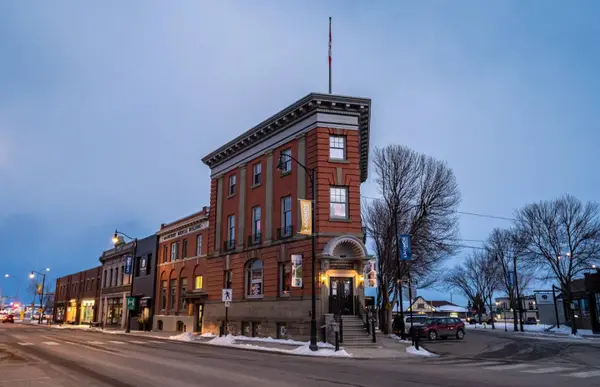
Living in Lacombe Alberta: What Buyers Need to Know Before Moving

Living in Blackfalds Alberta: What Buyers Need to Know Before Moving

Living in Sylvan Lake Alberta: What Buyers Need to Know Before Moving